什么是慢性伤口?
慢性伤口是指不能像大多数急性伤口一样有序、及时愈合的伤口。长时间(约 3 个月)不愈合的伤口通常被认为是慢性伤口。
慢性伤口会给患者带来严重的情绪和身体压力,并造成长期的巨大经济负担。
我们的诊所提供全面、最新且基于证据的伤口愈合管理疗法。 Tang Tjun Yip 医生此前已获得美国伤口管理委员会 (ABWM) 的认证。
我们将仔细评估您难以愈合的伤口,并制定定制的个人治疗计划,以优化您的伤口愈合轨迹。
第一次咨询(30分钟内)
$245 及以上
首次咨询时间较长(30 - 60 分钟内)
$345.00 及以上
后续咨询(30分钟内)
$165.00 及以上
长期跟踪咨询(30-60 分钟内)
$245.00 及以上
紧急咨询(30分钟内)
$385.00 及以上
紧急长时间会诊(W/IN 30-60 分钟)
$550.00 及以上
伤口敷料专业费用(不含消耗品)
$132.00 - 228.00(取决于复杂性)
额外的基于临床的双工超声评估
$150.00 - $320.00(取决于复杂性)
专科医疗报告
$200.00 - $ $330.00(取决于复杂性)
Vbeam 激光(每次限 30 次)
$650 及以上
Vbeam 激光(5 件套 + 1 件)
$3,250 及以上
Gmax 激光(每个患处/疗程)
$650 及以上
Gmax 激光(5 件套 + 1 件)
$3,250 及以上
Q 开关激光(每个患处/疗程)
$650 及以上
Q 开关激光器(5 + 1 套)
$3,250 及以上
医院住院诊疗(病房)
$380.00 及以上
医院住院诊疗(ICU)
$550.00 及以上
门诊时间内的急诊科
$380.00 及以上
急诊科门诊时间以外但午夜 12 点之前
$480.00 及以上
午夜 12 点后急诊室
$550.00 及以上
A&E 周末及公共假日
$550.00 及以上
* 所有价格以新加坡货币计算,不含商品及服务税,截至 2025 年 1 月 1 日为止准确无误。价格可能会相应变化。
慢性伤口是指不能像大多数急性伤口一样有序、及时愈合的伤口。长时间(约 3 个月)不愈合的伤口通常被认为是慢性伤口。
慢性伤口会给患者带来严重的情绪和身体压力,并造成长期的巨大经济负担。
我们的诊所提供全面、最新且基于证据的伤口愈合管理疗法。 Tang Tjun Yip 医生此前已获得美国伤口管理委员会 (ABWM) 的认证。
我们将仔细评估您难以愈合的伤口,并制定定制的个人治疗计划,以优化您的伤口愈合轨迹。
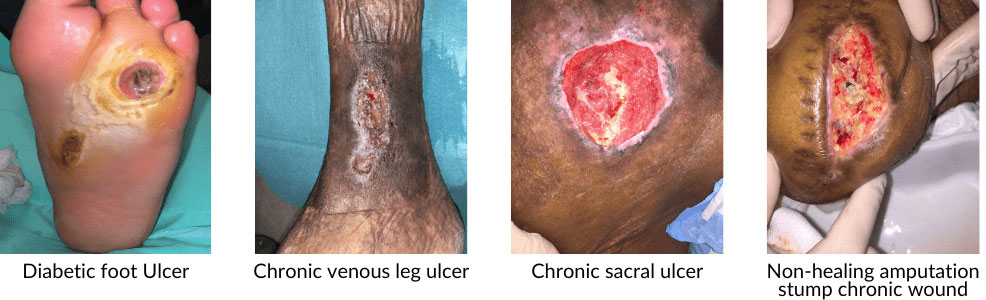
伤口成功愈合的原则包括使用时间原则:组织清创、感染控制、水分平衡和伤口边缘。采取这些一般措施后,将针对伤口类型进行治疗:
动脉溃疡患者应采取球囊血管成形术等干预措施,以改善该区域的血液供应。静脉溃疡的治疗包括加压包扎和抬高腿部,如果可以耐受的话还可以进行锻炼。
糖尿病足溃疡的治疗方法是减轻足部负担,并在必要时治疗潜在的外周动脉疾病。通过减轻受影响区域的负担来控制压疮。
成功管理的其他原则包括:
| Type of Chronic Wound | Common Cause | Typical Location | Why Vascular Assessment Matters |
|---|---|---|---|
| Diabetic Foot Ulcer | Diabetes-related nerve damage, poor circulation, pressure points or minor injuries that go unnoticed. | Sole of the foot, toes, heel or areas exposed to repeated pressure. | Diabetic foot ulcers may worsen quickly if blood flow is poor, increasing the risk of infection, gangrene and amputation. |
| Venous Leg Ulcer | Chronic venous insufficiency, venous reflux or long-standing leg swelling. | Usually around the ankle, especially the inner ankle. | Treating the wound alone may not be enough if underlying venous disease is causing persistent swelling and high vein pressure. |
| Arterial Ulcer | Poor blood supply due to narrowed or blocked arteries, often related to peripheral arterial disease. | Toes, feet, heel or outer ankle. | Arterial ulcers may not heal unless blood flow is restored through vascular treatment such as angioplasty, stenting or bypass surgery. |
| Pressure Ulcer | Prolonged pressure over bony areas, especially in patients with reduced mobility. | Heel, ankle, hip, buttock or lower back. | Vascular assessment helps determine whether poor circulation is also delaying healing, especially in high-risk patients. |
| Non-Healing Surgical Wound | Infection, diabetes, poor circulation, wound tension or impaired immunity. | At or around a previous surgical incision site. | Persistent surgical wounds may require assessment for infection, tissue viability and adequate blood supply to support healing. |
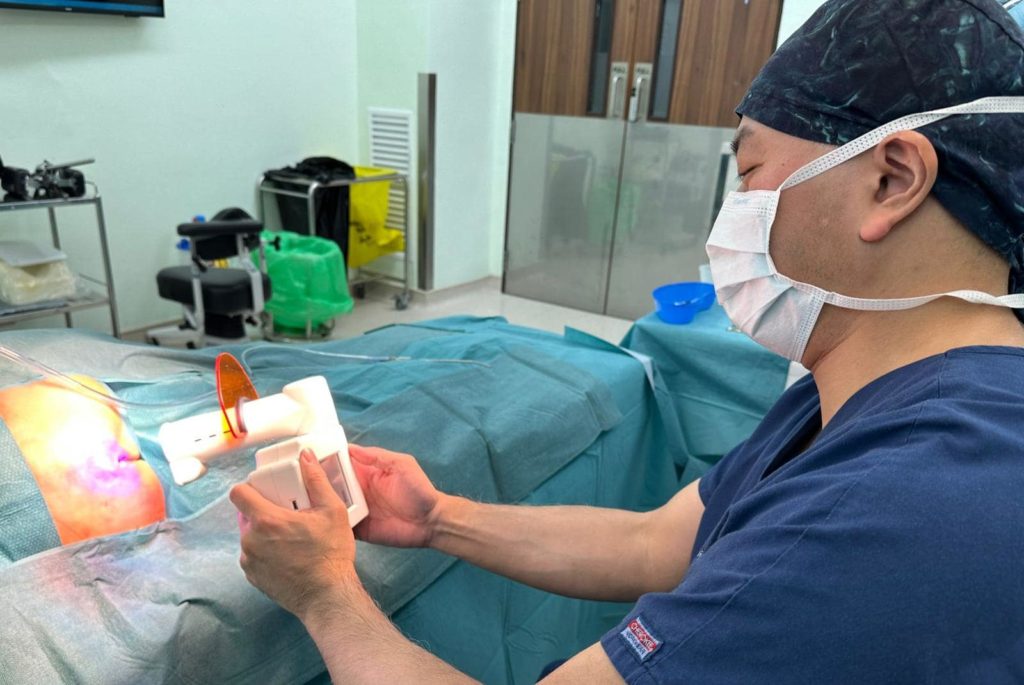
光生物调节疗法涉及使用可见光谱特定频率的光子来刺激伤口愈合过程。特别是蓝光(波长 400-450 nm)的使用已被证明具有抗炎特性,减少细菌负荷并促进组织再生过程,特别是在腿部静脉溃疡中。

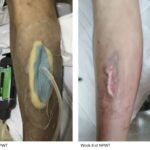
NPWT 是一种特殊的伤口处理设备,用于处理复杂的较大开放性伤口。它通过伤口敷料和小型电动泵使用温和的抽吸(负压)来帮助伤口更快愈合。
NPWT 通过以下方式帮助伤口愈合:
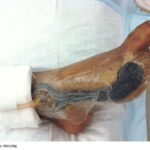
Granulox 旨在通过促进扩散为伤口基底提供补充氧气(图 1)。 Granulox 旨在通过扩散提供局部氧气供应,从而提供外在氧气供应,以促进愈合。已被证明可以克服清洁后直接涂在伤口床上时慢性伤口产生的渗出物量。

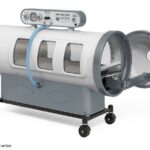
高压氧治疗 (HBOT) 涉及在特殊的室内在环境压力下呼吸 100% 氧气。它被推荐作为对标准伤口护理无反应的伤口患者的有用辅助手段。 HBOT 已被证明可有效促进伤口愈合和抵抗严重感染,特别是在糖尿病足溃疡的情况下。对于糖尿病患者,足部内的小血管有时太小,无法通过球囊血管成形术打开,因此,如果血液无法到达脚趾附近的区域,来自外部的压力梯度下的氧气有时可以成为有效的替代品。
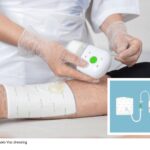
Natrox™ 局部氧疗(Inotec AMD Ltd,赫特福德郡,英国)采用小型电池供电的“氧气发生器”来浓缩大气中的氧气,并通过细软管将纯净、湿润的氧气输送到类似敷料的“氧气分配系统” ”,将其放置在伤口上并通过传统敷料固定到位。从我们新加坡的 OTONAL 研究数据来看,这从患者的角度来看非常令人满意,并且有助于缩短一些困难的糖尿病足伤口完全愈合的时间。当一些患者无法忍受氧气室内的压力时,可以使用此方法代替 HBOT。

这项技术刺激神经束内的运动神经元,将信号传递到肌肉纤维,引起腿部肌肉收缩,导致腿部静脉间歇性排空。这已被证明可以有效治愈一些慢性腿部静脉溃疡和糖尿病足部伤口。

有时会进行分层植皮来覆盖大缺损的伤口。这是一种外科手术,涉及从身体的一个区域(通常是大腿)去除表层皮肤,并将其移动以覆盖伤口缺损。供体部位的顶层通常会毫无问题地愈合,因为所取的皮肤移植物本质上非常薄。植皮已被证明可以提高糖尿病足溃疡的治愈率,并最大限度地减少下肢截肢等并发症。

Normal wound healing depends on healthy blood circulation, adequate oxygen supply, good nutrition and the body’s ability to fight infection. When one or more of these processes is disrupted, healing may slow significantly or stop altogether.
Common reasons why wounds become chronic include:
Many patients have more than one contributing factor, which is why a comprehensive medical assessment is often required.
A wound may fail to heal because it is not receiving enough oxygen and nutrients, has become infected or is affected by an underlying medical condition. Common causes include diabetes, peripheral arterial disease (poor blood circulation), chronic venous insufficiency, pressure injuries, smoking and poor nutrition. A comprehensive assessment can help determine why healing has been delayed.
A wound should be assessed by a doctor if it has not shown significant improvement after two to four weeks, repeatedly breaks down after healing, becomes larger instead of smaller, develops increasing pain, redness, swelling or discharge, or shows signs of infection. Early treatment may help prevent more serious complications.
Yes. Healthy blood flow delivers oxygen and nutrients needed for tissue repair. If the arteries are narrowed or blocked, or if the veins are not functioning properly, wounds may heal very slowly or not at all. Assessing blood circulation is an important part of evaluating chronic wounds, particularly those affecting the legs and feet.
Although not every chronic wound can be prevented, the risk can be reduced by managing diabetes effectively, maintaining good blood circulation, stopping smoking, exercising regularly, wearing appropriate footwear, checking your feet daily if you have diabetes and seeking early treatment for cuts, blisters or skin ulcers. Managing venous disease and leg swelling can also help prevent venous leg ulcers.
Although all three are chronic wounds, they have different causes. Diabetic foot ulcers are associated with diabetes, nerve damage and poor circulation. Venous ulcers result from chronic venous insufficiency, where blood pools in the leg veins due to damaged valves. Arterial ulcers develop when poor blood flow from narrowed or blocked arteries reduces the oxygen supply needed for healing. Accurate diagnosis is essential because each condition requires a different treatment approach.
Treatment depends on the underlying cause of the wound. It may include wound cleaning and debridement, advanced wound dressings, antibiotics for infection, compression therapy for venous ulcers, pressure offloading for diabetic foot ulcers and procedures to improve blood circulation when poor arterial blood flow is preventing healing. A personalised treatment plan offers the best chance of successful healing.
If left untreated, some chronic wounds—particularly diabetic foot ulcers and arterial ulcers – can become severely infected or develop gangrene, increasing the risk of amputation. Early diagnosis and prompt treatment by a vascular specialist can often prevent complications and improve the chances of limb preservation.
You should seek medical assessment if your wound has not healed after two to four weeks, continues to enlarge, develops increasing pain, swelling or discharge, or occurs on your foot if you have diabetes. A vascular specialist can assess whether poor blood circulation or venous disease is contributing to delayed healing and recommend appropriate treatment.