Endovascular aneurysm repair (EVAR) is a minimally invasive procedure used to treat aortic aneurysms. Instead of open surgery, the repair is performed through small incisions using specialised instruments, allowing the weakened section of the aorta to be reinforced from within.
If you’ve been diagnosed with an aortic aneurysm or are exploring treatment options for a loved one, EVAR may be one of the approaches your doctor discusses. It is commonly considered for suitable patients as it may involve a shorter recovery and less physical strain compared to traditional open repair.
In this article, we explain how EVAR works, how it compares with open surgery and what you can expect before and after the procedure.
What is an Endovascular Aneurysm Repair (EVAR)?
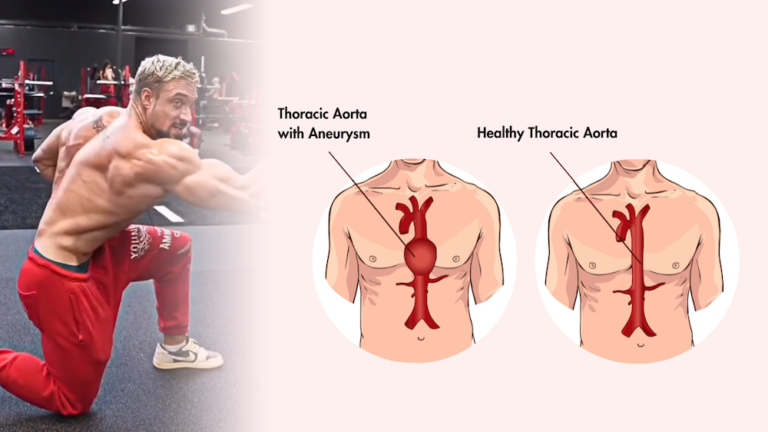
Endovascular aneurysm repair (EVAR) is a minimally invasive procedure used to treat aneurysms of the aorta, including those in the abdomen or chest.
Unlike open surgery, which requires a larger incision, EVAR is performed through small incisions in the groin. A stent graft is guided through the blood vessels using thin, flexible tubes called catheters and positioned within the aneurysm.
Once in place, the stent graft reinforces the weakened section of the aorta and helps reduce the risk of rupture.
How is an Endovascular Aneurysm Repair Carried Out?
Here is a step-by-step overview of what typically happens during an EVAR procedure:
- Accessing the arteriesSmall incisions are made in the groin to access the blood vessels that lead to the aorta.
- Guiding the instrumentsUsing real-time X-ray imaging, thin tubes called catheters are guided through the blood vessels to the site of the aneurysm.
- Positioning the stent graft
A compressed stent graft is carefully advanced through the catheter and positioned within the affected section of the aorta. - Deploying the graft
The stent graft is then expanded so it lines the inside of the aorta, creating a stable channel for blood flow and reducing pressure on the aneurysm. - Completing the procedureThe instruments are removed and the small incisions are closed. You will then be monitored in a recovery area.
The procedure typically takes around 2 to 3 hours, depending on individual factors.

Comparing EVAR and Open Repair for Aortic Aneurysms
Both endovascular aneurysm repair (EVAR) and open surgery are established approaches to treating aortic aneurysms:
The most suitable option depends on factors such as the size Dan location of the aneurysm, your overall health and your individual anatomy.
EVAR is performed through small incisions in the groin, using catheters to place a stent graft within the aorta. In contrast, open repair involves a larger incision in the abdomen or chest to directly access and repair the affected section of the aorta.
In appropriately selected patients, both EVAR and open repair can achieve comparable outcomes. EVAR may offer a short-term survival benefit in some patients, although long-term outcomes vary and regular follow-up is required after treatment.
As a minimally invasive procedure, EVAR is associated with several potential advantages, including:
- Shorter operative time
- Less blood loss
- Reduced duration of mechanical ventilation
- Lower cardiac and pulmonary risks
- Fewer and less severe post-operative complications
- Shorter stays in the ICU and hospital
- Faster initial recovery
Open repair, while more invasive, may be recommended in cases where the aneurysm’s anatomy is not suitable for EVAR or where a more durable long-term repair is preferred.
Ultimately, the choice between EVAR and open repair is individualised. A ahli bedah vaskular will assess your condition and discuss the most appropriate treatment approach based on your specific clinical needs.
Who is EVAR Suitable For?
EVAR may be considered for patients with aortic aneurysms that are:
- Large in size (generally over 5.5 cm in men or 5.0 cm in women)
- Increasing in size over time (for example, more than 0.5 cm within six months)
- Causing symptoms such as abdominal, back or chest pain
Suitability for EVAR also depends on several individual factors:
These include your overall health, life expectancy and whether the aneurysm’s shape and location allow for secure placement of the stent graft. The blood vessels in the groin must also be suitable to safely deliver the device.
Because of these considerations, not all aneurysms can be treated with EVAR. A detailed clinical assessment, including imaging studies, is required to determine the most appropriate treatment approach.
Are There Risks with Endovascular Aneurysm Repair?
As with any procedure, EVAR carries some risks. However, it is generally considered a minimally invasive approach and is commonly performed in appropriately selected patients.
Potential risks may include:
- Minor bleeding or bruising at the groin access site
- Injury to nearby blood vessels or surrounding structures
- Kidney strain related to the use of contrast dye
- Reduced blood flow to the legs due to clot formation (uncommon)
- Wound infection or haematoma at the incision site
- Endoleak, where blood continues to flow into the aneurysm sac and may require monitoring or further treatment
Your doctor will take steps to minimise these risks and monitor you closely during and after the procedure.
If you have any known allergies or sensitivities, including to medications, contrast dye, iodine or latex, it is important to inform your doctor beforehand.
The overall risk profile varies from person to person. A detailed discussion with your doctor can help you better understand the potential risks and how they relate to your individual condition.
What Should I Take Note of Before and After EVAR?
Pre-Endovascular Aneurysm Repair
- Medical Evaluation: You’ll undergo scans (like a CT angiogram) to assess the size and location of your aneurysm, and ensure you’re suitable for EVAR.
- Medication Review: Inform your doctor about any medications or supplements you’re taking. You may be asked to stop certain blood thinners before the procedure.
- Fasting: You’ll likely need to fast (no food or drink) for several hours before the procedure.
- Allergy Alert: Let your doctor know if you’re allergic to contrast dye, iodine, latex, shellfish, or any medications.
- Arranging Support: Plan for someone to accompany you and help you home after discharge.
Post-Endovascular Aneurysm Repair
- Hospital Stay: Most patients stay in hospital for 1 to 2 days for monitoring. In some cases, a short stay in the ICU may be required.
- Wound Care: Keep the groin area clean and dry. Watch for signs of infection like redness or discharge.
- Aktivitas: Light activity is encouraged, but avoid strenuous exercise or heavy lifting for a few weeks.
- Follow-up Imaging: Regular scans (CT or ultrasound) will be scheduled to ensure the graft remains in place and the aneurysm is no longer at risk.
- Medication Management: Your doctor may adjust your medications after the procedure. Continue to take them as prescribed.
What Can You Expect After EVAR?
Recovery and long-term outcomes after endovascular aneurysm repair (EVAR) vary from person to person. Factors such as your overall health, the size and location of the aneurysm, and how early it was treated can all influence your recovery.
Treating an aneurysm before it ruptures is an important step in reducing the risk of serious complications. EVAR is a minimally invasive procedure that helps reinforce the weakened section of the aorta, and many patients are able to return to their usual activities over time with appropriate follow-up care.
Ongoing monitoring is an important part of recovery. Regular imaging is used to ensure the stent graft remains in position and continues to function as intended.
For more information on what to expect after treatment, you may wish to read our guide on living with aortic aneurysm.
Your doctor will continue to guide you on follow-up care and lifestyle measures to support your long-term vascular health.
Speak With a Vascular Surgeon

If you have been diagnosed with an aortic aneurysm or are exploring treatment options, a consultation can help you better understand your condition and the approaches available.
A detailed assessment allows your doctor to evaluate your aneurysm, review your scans and discuss whether endovascular aneurysm repair or open surgery may be appropriate for you.
If you would like further clarity, you may contact our clinic to arrange a consultation.
- Moulakakis, K. G., Dalainas, I., Kakisis, J., Mylonas, S., & Liapis, C. D. (2013). Endovascular Treatment versus Open Repair for Abdominal Aortic Aneurysms: The Influence of Fitness in Decision Making. The International journal of angiology : official publication of the International College of Angiology, Inc, 22(1), 9–12. https://doi.org/10.1055/s-0033-1333868
- Brown, L. C., Powell, J. T., Thompson, S. G., Epstein, D. M., Sculpher, M. J., & Greenhalgh, R. M. (2012). The UK EndoVascular Aneurysm Repair (EVAR) trials: randomised trials of EVAR versus standard therapy. Health technology assessment (Winchester, England), 16(9), 1–218. https://doi.org/10.3310/hta16090
- Elkouri, S., Gloviczki, P., McKusick, M. A., Panneton, J. M., Andrews, J., Bower, T. C., Noel, A. A., Harmsen, W. S., Hoskin, T. L., & Cherry, K. (2004). Perioperative complications and early outcome after endovascular and open surgical repair of abdominal aortic aneurysms. Journal of vascular surgery, 39(3), 497–505. https://doi.org/10.1016/j.jvs.2003.10.018