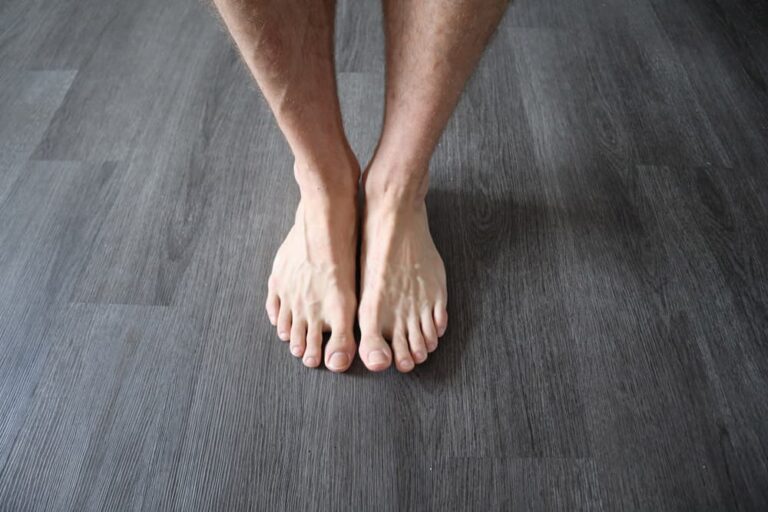
Being vascular or veiny is sometimes seen as a sign of low body fat, but many worry that these changes signal varicose veins.
In reality, visible veins can be entirely normal. Here, we break down the reasons your veins may stand out and the signs that suggest a vein condition needs attention.
Common Reasons Your Legs May Look Veiny
Genetics and Family History
Vein visibility can run in families. Some people naturally have thinner skin or lighter subcutaneous fat, making veins more prominent even without any vascular disease.Age and Skin Changes
As we age, skin becomes thinner and loses elasticity, making veins more noticeable. This is normal and doesn’t necessarily indicate varicose veins.Increased Blood Flow or Exercise
After physical activity, veins temporarily expand to carry more blood. Athletes or regular exercisers often have more prominent veins, especially on the legs.Hormones
Pregnancy, puberty, or hormone therapy can make veins more visible due to changes in blood volume and vein elasticity.Weight and Fat Distribution
Having lower body fat can make veins more visible. Extremely lean individuals, such as bodybuilders, often have very prominent veins due to reduced subcutaneous fat and increased vascularity. Being vascular does not automatically mean you are at risk of developing varicose veins, though it can make underlying vein problems easier to notice.Other Reasons Visible Veins Get Mistaken for Varicose Veins
Spider veins are often mistaken for varicose veins because both appear as visible veins on the legs. The key difference is that spider veins are smaller, appear in thin web-like clusters and usually do not cause any symptoms.When Visible Leg Veins Signal Something More
Visible veins without varicose veins are often harmless, but certain symptoms may indicate an underlying vascular issue:- Leg pain, heaviness, or cramping
- Swelling in the legs or ankles
- Itching, redness, or skin changes around the veins
- Veins that are bulging, twisted or dark purple
Getting Clarity on Your Vein Health
A simple vascular review can clarify whether visible veins are purely cosmetic or related to early venous insufficiency. During your visit, assessments may include:- Non-invasive imaging: Ultrasound can evaluate blood flow in the legs and check if the venous valves are functioning well.
- Comprehensive evaluation: Your specialist will consider your symptoms, lifestyle, family history and other vascular risk factors.
Takeaway
Veiny legs can be concerning, but they are not always a cause for concern.
Being more vascular, as in lean individuals or those who train regularly, also does not mean varicose veins will develop.
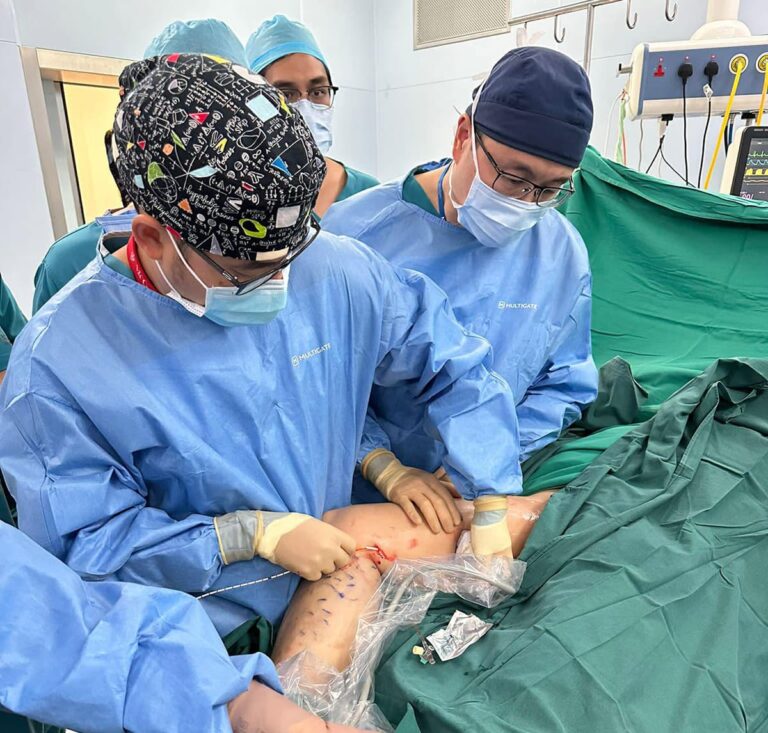
It may be helpful to seek a specialist consultation if you notice pain, swelling or changes in your veins. At The Vascular & Endovascular Clinic, our vascular specialists diagnose a wide range of vein conditions, from cosmetic concerns to more complex vascular issues.
A simple evaluation can help you understand your veins and take the right steps for your health and peace of mind.
For appointments or enquiries, contact us to arrange a review with our team.